Headquarters
Hedehusene
Denmark
Reach the team that answers with thermal notes, fire pathway references, and innovation queues—not a generic inbox autoresponder.
Hedehusene
Denmark
Monday–Friday
8:00 AM – 5:30 PM local
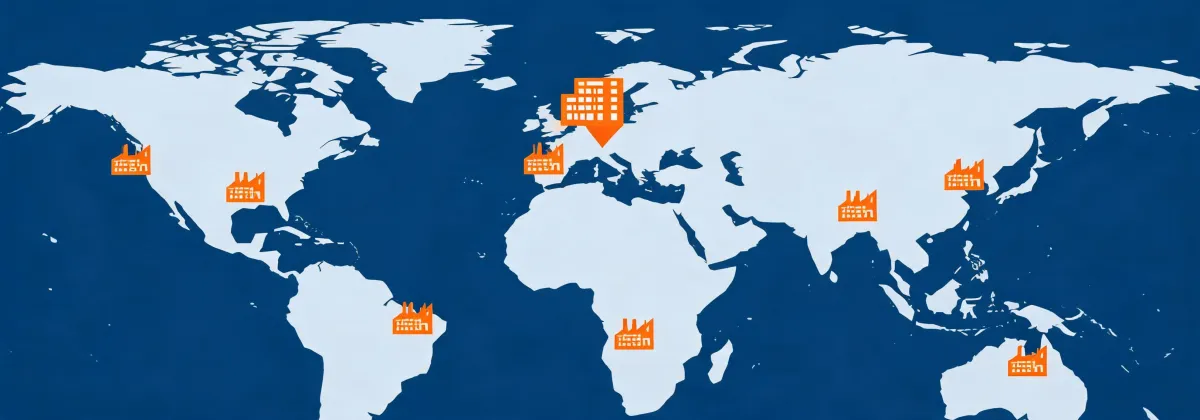
Global desks: regional business hours
Specification writers usually need declared thermal conductivity (lambda), EN 13162 references, and EN 13501-1 fire resistance rating pathways before a GC will lock a takeoff. Procurement managers usually need mill allocation windows, facing lead times, and compressive strength confirmation for rainscreen planes. Innovation pilots need a different path—smart liners and digital twin detail sets move through the Innovation Lab queue rather than standard stock SKUs.
When you write, separate must-have constraints from nice-to-have preferences. A fire resistance rating target is a must-have; a preferred facing color is often negotiable if R-value and air permeability still close. Moisture vapor transmission concerns belong in the notes when the building includes high-humidity process zones or coastal rainscreens, because drying potential changes with temperature differentials.
We cannot price every custom geometry overnight. Complex curved facades may require hybrid detailing and dimensional stability checks before a firm quote. Standard catalog batts and boards typically return within one business day; pilot SKUs may take longer while lab notes on water absorption rate and NRC are attached.
If you are comparing prefabricated board kits against traditional batt-and-stud packs, say so. That debate is common on warehouses and plant expansions where schedule certainty meets field flexibility. Our desk will outline where factory-cut boards reduce thermal bridging risk—and where friction-fit batts remain the better field choice when framing tolerances shift.
For sustainability-versus-budget conversations, bring target embodied carbon and recycled content percentage if your LEED pathway requires them. We publish EPDs where available and will not invent green premiums that your energy model cannot recover through operating savings.